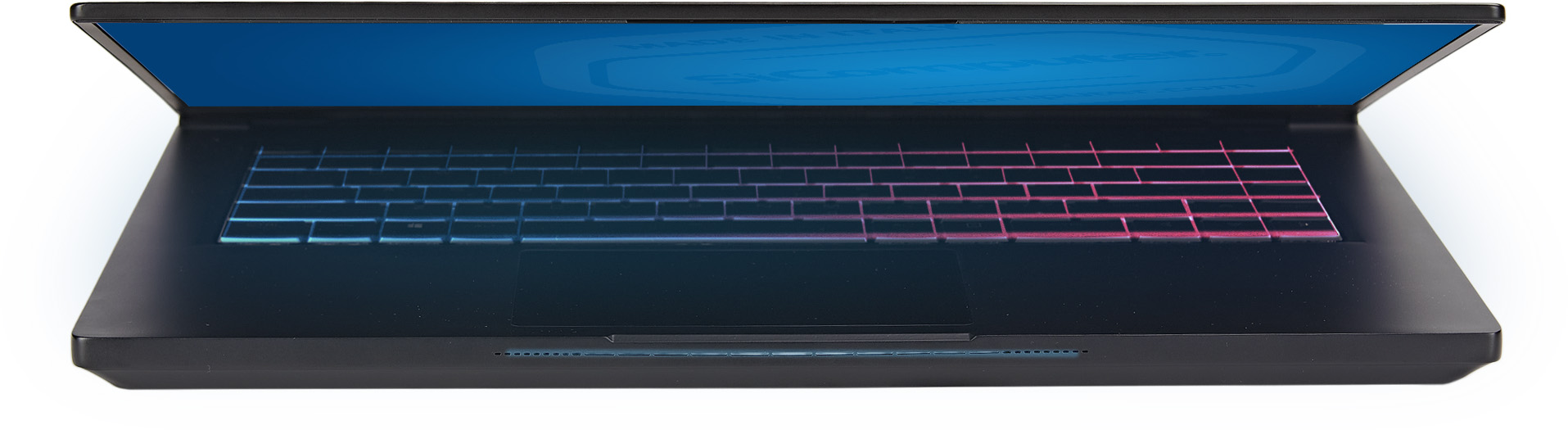
The body is dyed with pure black with a Silk touch finish: the lightness and strength of the magnesium alloy remains unchanged, molded with clean lines and attention to details.
You’ll accomplish things you aren’t thinking of yet
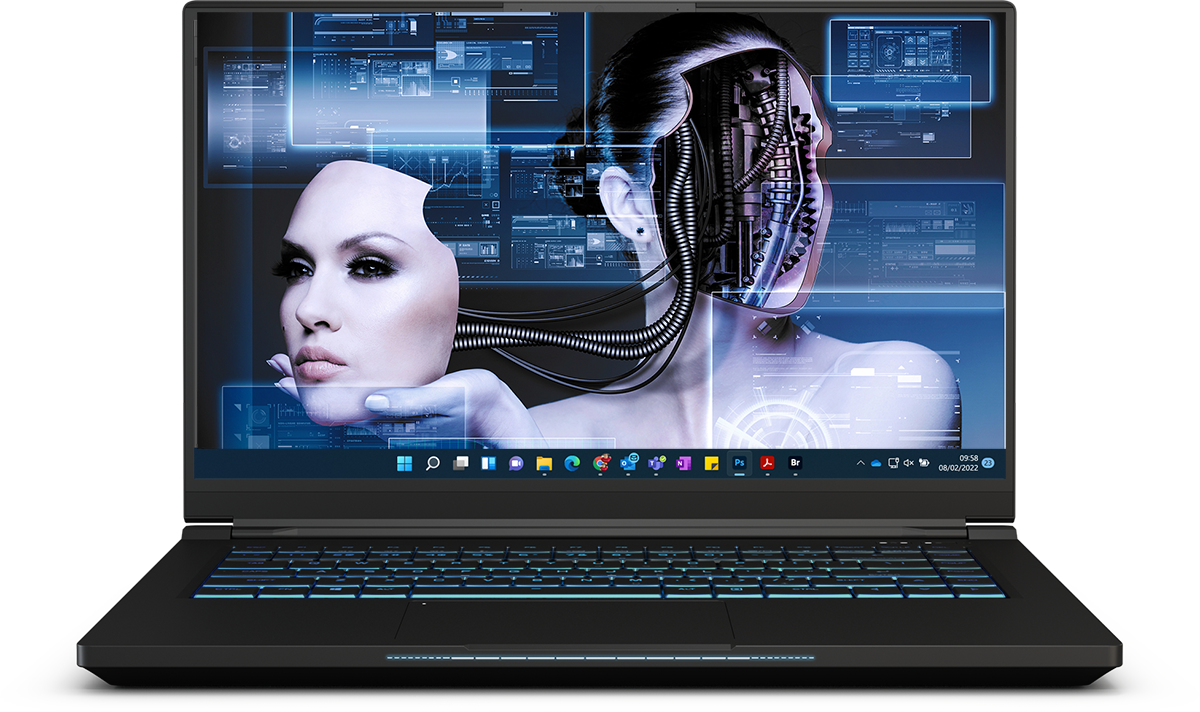
Nauta W1502 Pro is the laptop for creative people
The 11th Generation Intel® Core ™ i7 processor and NVMe Gen 4 SSDs supported by GeForce RTX 3060 and 3070 graphics cards will allow you to reach speeds never seen before on any application.
A laptop with the speed of a workstation
The connectivity wizard, plug in any device
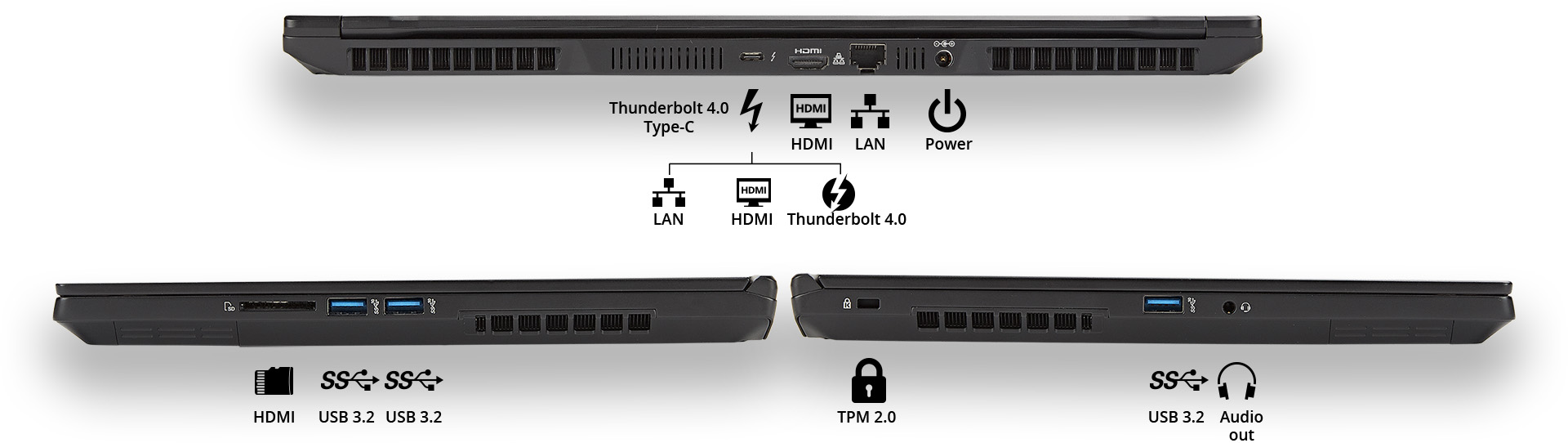
Always connected at maximum speed with any other device.

WiFi 6
Non solo più veloce ma anche più stabile in caso di molte connessioni contemporanee

Bluetooth 5.2
Transfer files with nearby devices or connect accessories without having to worry about cables

Thunderbolt 4
A broadband port (USB Type C) that allows you to transfer data, stream 4K video and connect other devices, all at the same time.
Technical characteristics of the monitor
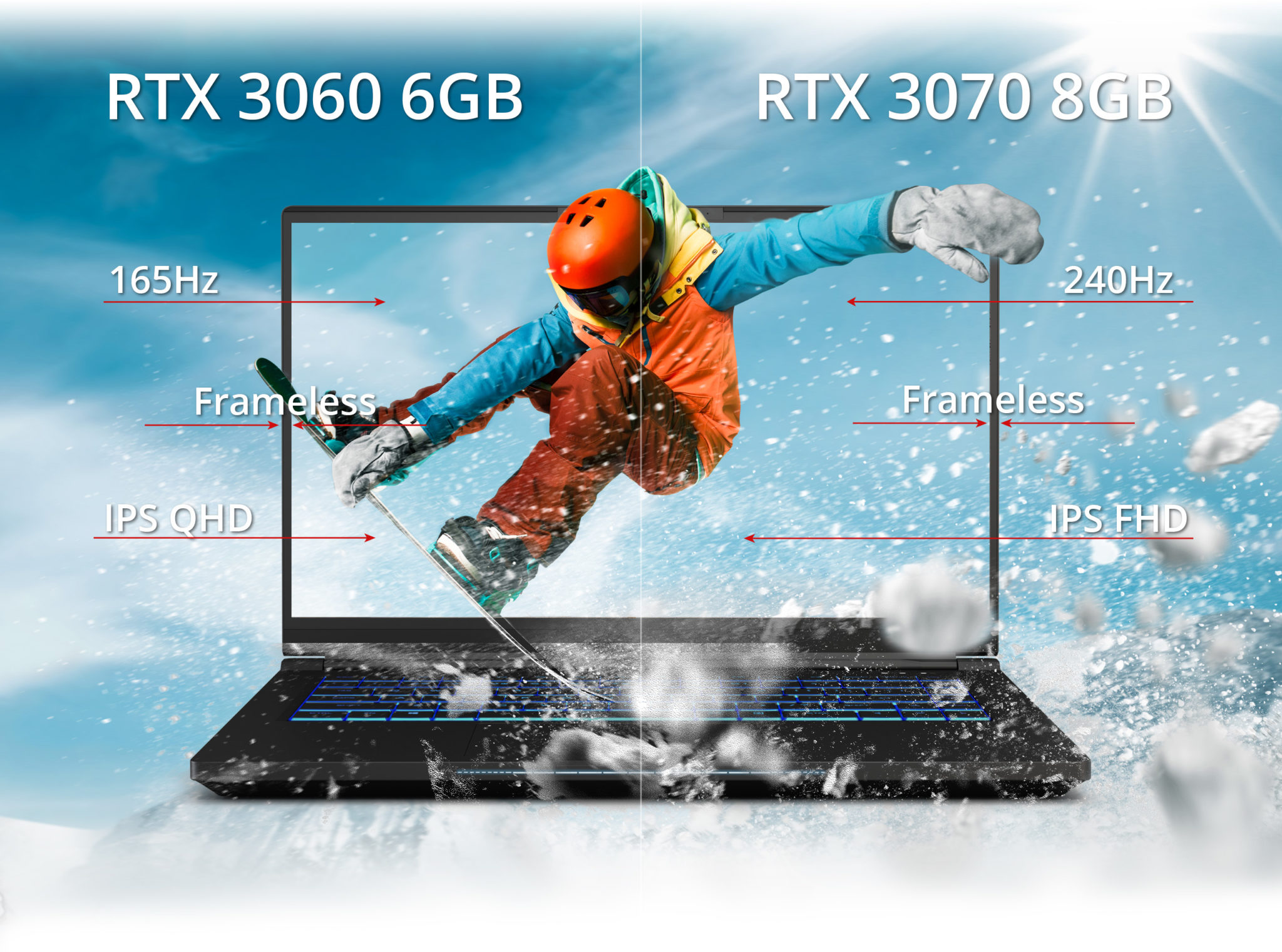
The IPS QHD display at 165 Hz and the rival IPS FHD 240 Hz frameless allow you to experience the emotion with bright and vivid colors without losing any detail.
Sharp images, faithful colors and smooth animations like in real life
1. An In-Plane Switching (IPS) panel is a type of Thin Film Transistor (TFT) LCD also known as an “active matrix” LCD. IPS monitors provide very wide viewing angles and high quality color reproduction by making pixels parallel instead of perpendicular. A better viewing angle and better color management ensure a better user experience.
Creative professionals benefit from using an IPS screen because the color range is wider and the viewing angles are also wider. This allows a greater aesthetic precision and consequently excellent quality.
165Hz and 240Hz refer to the screen refresh rate: this is the number of times per second that a display updates the image it shows. A high refresh rate is particularly important when, as in the case of the Nauta W1502 Pro, you have a dedicated high-performance graphics card (GeForce RTX 3060 for 165 Hz and GeForce RTX 3070 for 240 Hz) because it allows you to take full advantage of the rendering potential of the card itself.
A higher refresh rate therefore means the ability to handle a higher number of frames which translates into better game fluidity and higher rendering speed for all those applications that require intensive use of the video card.
L’acronimo QHD, che abbrevia la dicitura “Quad HD“, indica che la risoluzione dello schermo è pari a quattro volte quella di un monitor HD. La risoluzione QHD, detta anche 2K, corrisponde ad una densità di pixel pari a 2560×1440. L’acronimo FHD, che abbrevia la dicitura Full HD, indica una densità di pixel pari a 1920×1080.
Entrambi i display garantiscono un’eccelsa qualità delle immagini, nei monitor QHD i dettagli delle immagini risulteranno particolarmente nitide grazie all’elevata risoluzione, mentre i monitor FHD hanno come punto di forza la frequenza di aggiornamento da 240Hz che consente di avere animazioni fluide anche per quelle attività che richiedono un elevato fps.
GeForce RTX 3060 e RTX 3070 video cards
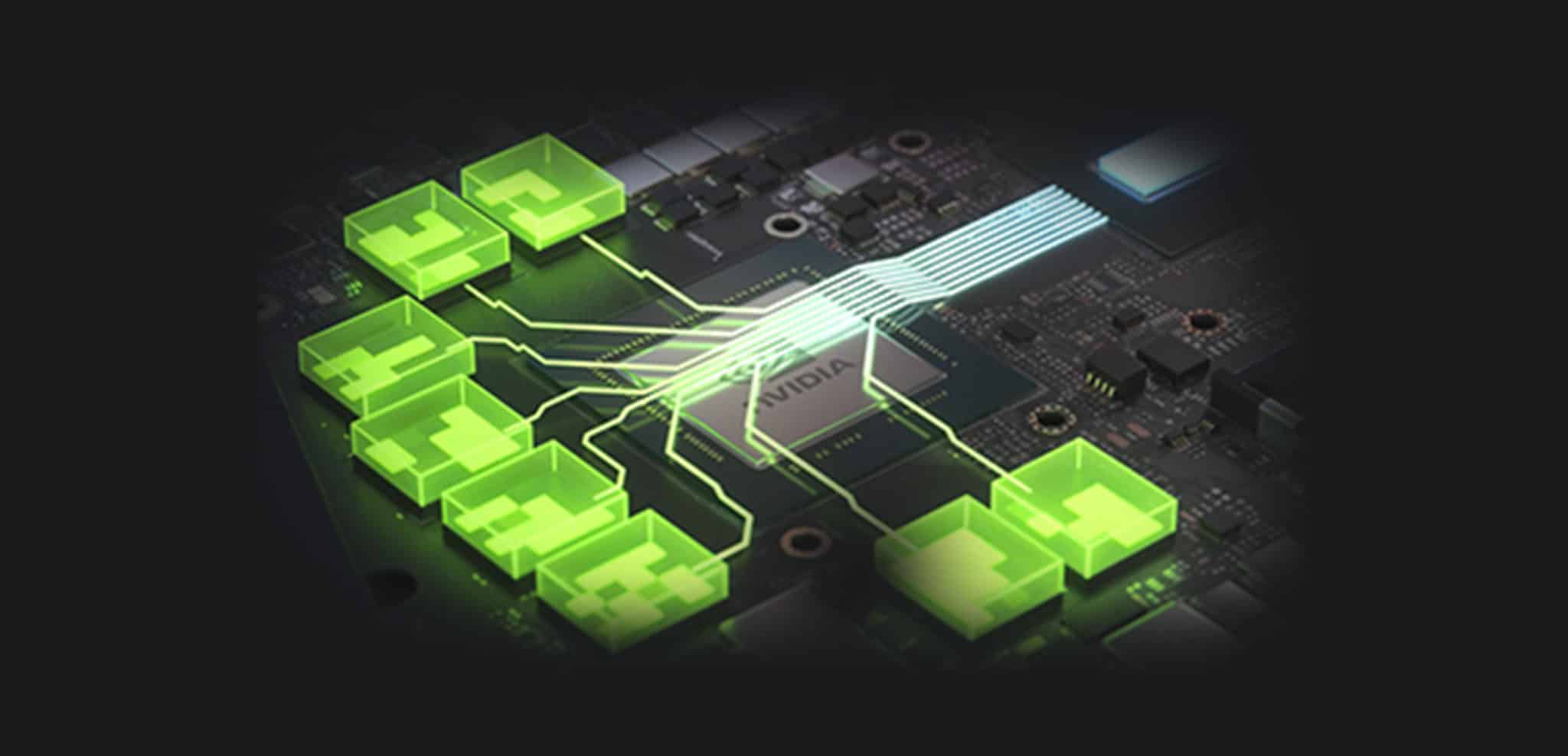
Boost the creativity with dedicated GeForce® RTX graphics based on the NVIDIA Turing ™ architecture to achieve extreme performances on this laptop.
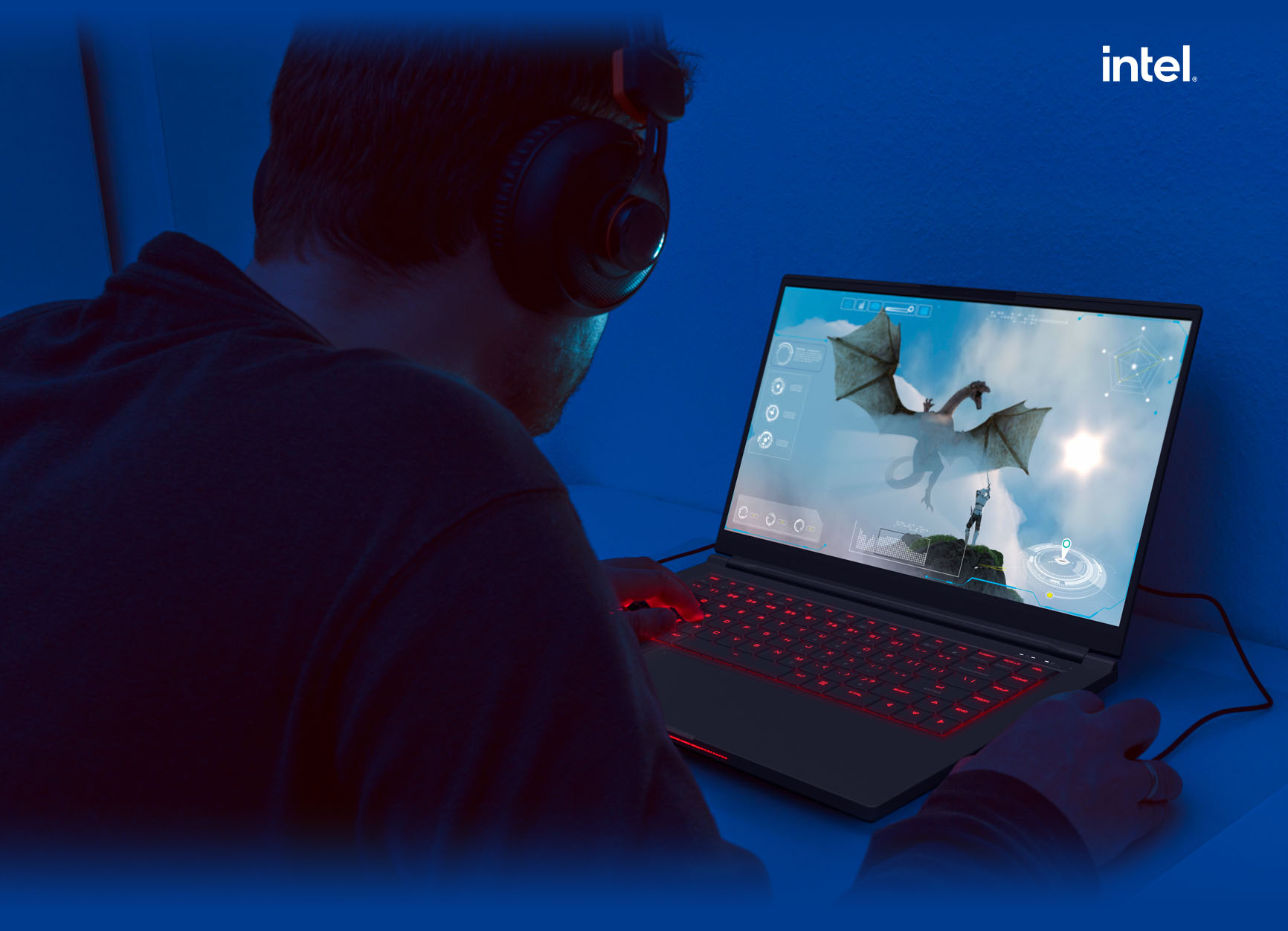
When you need a break, the Nauta W1502 Pro is the perfect gaming laptop that will offer you a gaming experience beyond all expectations.
Enhanced cooling system
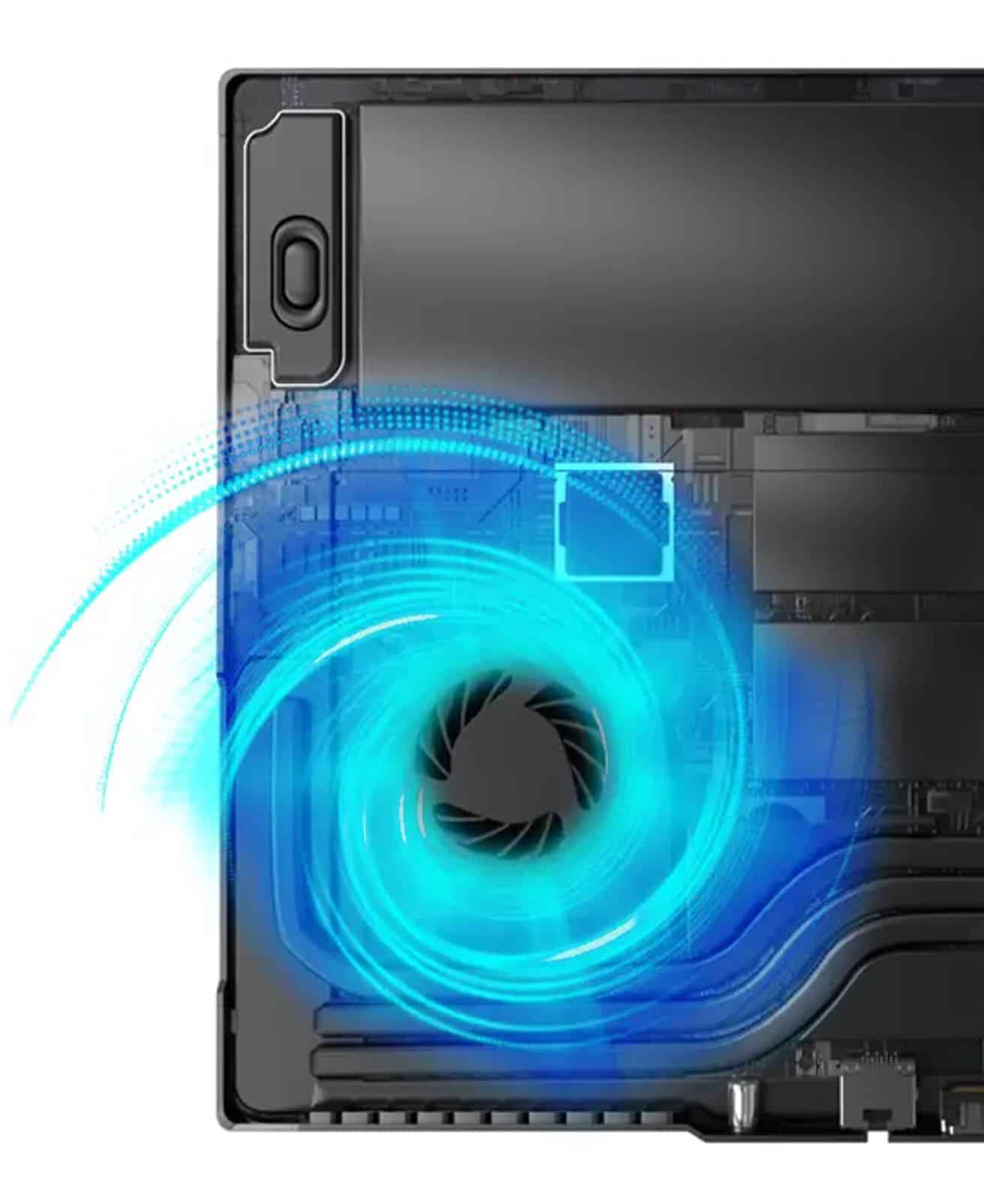
The cooling system has been redesigned and optimized to ensure maximum comfort even during the most demanding work or play sessions.
The separate double fan spreads heat over a larger area while maintaining the ideal temperature even under intense effort.
Take a break
Nauta W1502 Pro is the elegant, fast and hardworking laptop, be it for work or tre time purposes. This notebook will always be able to amaze you.
When your favorite game calls, you won’t have to compromise. The dedicated GeForce RTX graphics cards guarantee high performance and a perfect gaming experience with any title.
Technical features
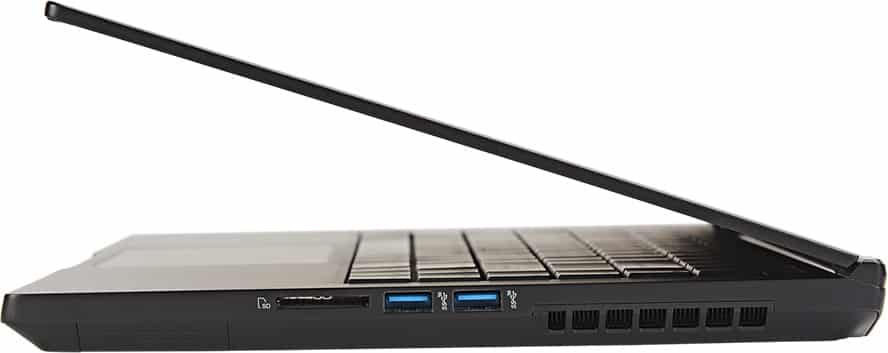
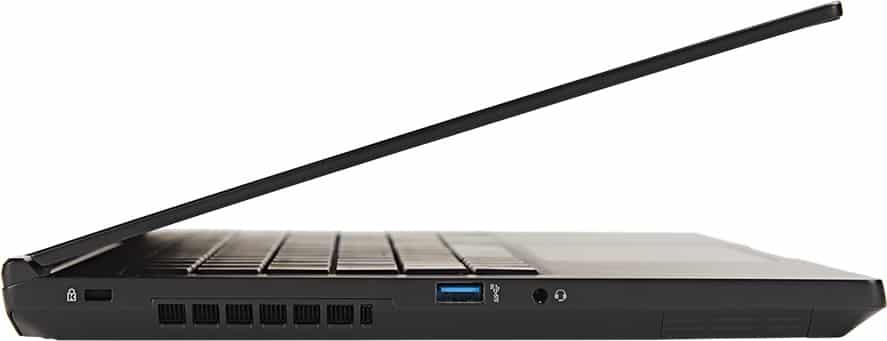


11th generation Intel Core i7 processor, dedicated GeForce RTX 3060 video card with 6 GB and RTX 3070 with 8 GB, ultra-fast SSDs and the possibility of installing up to 64 GB of Ram.


